 listicle
Best Bookkeeping for HVAC Businesses: 7 Top Picks for 2026
Table of Contents
- Quick Comparison: Best Bookkeeping for HVAC Businesses
- How We Evaluated These Bookkeeping Options
- 1. Cornerstone Compliance: Full-Service Bookkeeping for HVAC Contractors
- 2. QuickBooks Online: The Industry Standard for Job Costing
- 3. Xero: Clean Books With Strong Inventory Tracking
- 4. FreshBooks: Simple Invoicing for Solo Operators
- 5. Zoho Books: Automation for Recurring Service Agreements
- 6. Field Service Management Tools That Feed Your Books
- HVAC Job Costing Best Practices
- Managing Cash Flow for HVAC Businesses
- Frequently Asked Questions
Last Updated: October 2, 2026

Quick Comparison: Best Bookkeeping for HVAC Businesses
Finding the best bookkeeping for HVAC businesses comes down to matching your software to how you run service calls, maintenance plans, and parts inventory. A solo operator needs something different from a shop running four trucks. This guide breaks down seven options by job costing strength, inventory handling, and how well each connects to your crews' tools.
Quick Picks:
- Best Overall: Cornerstone Compliance, full-service bookkeeping built only for trades
- Best Software for Job Costing: QuickBooks Online, the standard most HVAC shops already run
- Best for Solo Operators: FreshBooks, simple invoicing without the clutter
- Best for Recurring Service Agreements: Zoho Books, automation for maintenance plans
| Option | Type | Best For | Starting Price |
|---|---|---|---|
| Cornerstone Compliance | Full-service bookkeeping | Trades businesses doing $1M-$5M | Contact for pricing |
| QuickBooks Online | Software | Job costing and reporting | $30/month |
| Xero | Software | Inventory tracking | $33/month |
| FreshBooks | Software | Solo operators | $22/month |
| Zoho Books | Software | Recurring service agreements | $20/month |
| FieldEdge | Field service software | FSM-to-accounting sync | $100/user/month |
How We Evaluated These Bookkeeping Options
Each option was scored on four things that matter to HVAC operators: job costing depth, inventory and equipment tracking, field service management connections, and CRA-compliant payroll and tax filing. Software that can't separate profit by job or technician got marked down.
A common mistake is choosing software on price alone. The real cost shows up later, when you can't tell whether a maintenance contract is profitable.
1. Cornerstone Compliance: Full-Service Bookkeeping for HVAC Contractors
Cornerstone Compliance is a full-service bookkeeping and profitability reporting provider built exclusively for incorporated trades and home improvement businesses. The team works with companies earning $1M-$5M annually, where job costing stops being optional and starts deciding whether you can afford another truck.
What separates this from a generic bookkeeper is job rate auditing. Instead of just recording what you spent, the team reviews whether your rates cover overhead and turn a profit on each job type. Monthly management reporting and quarterly strategy reviews give you numbers you can act on.
The service also handles CRA-compliant payroll and tax filing, so technician payroll, source deductions, and remittances stay current. The delivery model is systemized rather than dependent on one overloaded bookkeeper, which matters in busy season.
The one tradeoff: this is a service engagement, not a DIY software subscription. You're paying for expertise and reporting, not a login.
2. QuickBooks Online: The Industry Standard for Job Costing
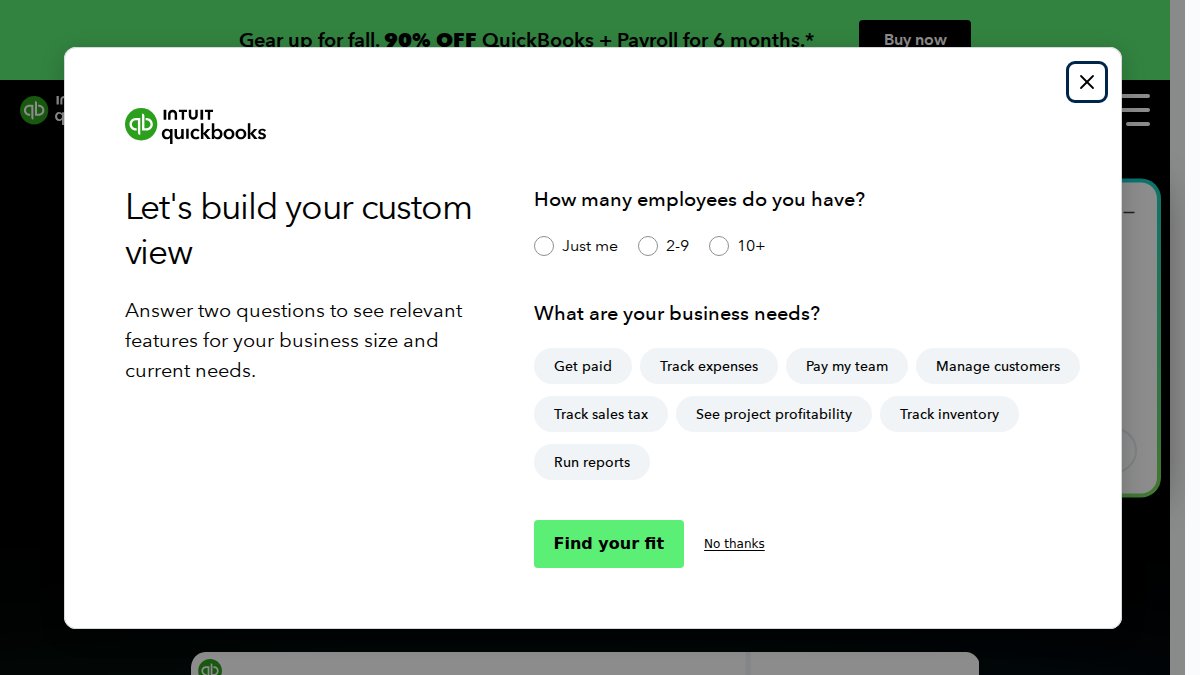
QuickBooks Online is the accounting platform most HVAC shops already run, thanks to its Projects module. It lets you tag income and expenses to a specific job, so you can see whether that furnace replacement made money after parts, labor, and overhead.
The ecosystem is the other advantage. Most field service management tools sync directly with QuickBooks, so invoices and payments flow into your books without double entry. Automated bank feeds and expense categorization cut manual data entry, and tax reporting is built for Canadian filing requirements.
The catch is that job costing depth improves as you move up pricing tiers. The entry plan handles basic tracking, but detailed project profitability means a higher subscription. For a shop with steady job volume, that upgrade usually pays for itself.
3. Xero: Clean Books With Strong Inventory Tracking
Xero earns its spot on inventory management and usability. If your trucks carry a rotating stock of parts and you need to know what's on hand and what it's worth, Xero's inventory features and add-on marketplace handle it well.
Every plan includes unlimited users, which suits shops where the office manager, owner, and a senior technician all need visibility. Automated invoice reminders help with accounts receivable, a persistent headache when commercial clients pay slowly.
Where Xero falls short is job costing granularity. Its project tracking is lighter than QuickBooks, so if per-job profit is your top priority, that's a real limitation. For shops that care more about inventory accuracy and collaboration, it's a strong pick.

4. FreshBooks: Simple Invoicing for Solo Operators
FreshBooks is built for simplicity, a natural fit for owner-operators and small HVAC shops with straightforward books. Invoicing, expense tracking, and receipt scanning all work from a phone, so you can bill a customer before you leave the driveway. Streamlining these financial tasks creates a solid foundation for managing customer relationships, which often requires a dedicated CRM for HVAC contractors to keep service history and job scheduling as organized as your accounts.
Time tracking for technician labor and simplified project profitability views cover the basics. Customer support has a reputation for being genuinely helpful, which matters when you're doing your own books at 9 p.m.
The limitation is inventory. FreshBooks doesn't handle parts tracking well, so if you stock significant inventory, you'll outgrow it. For a solo operator billing service calls and small installs, it covers the basics without a learning curve.
5. Zoho Books: Automation for Recurring Service Agreements
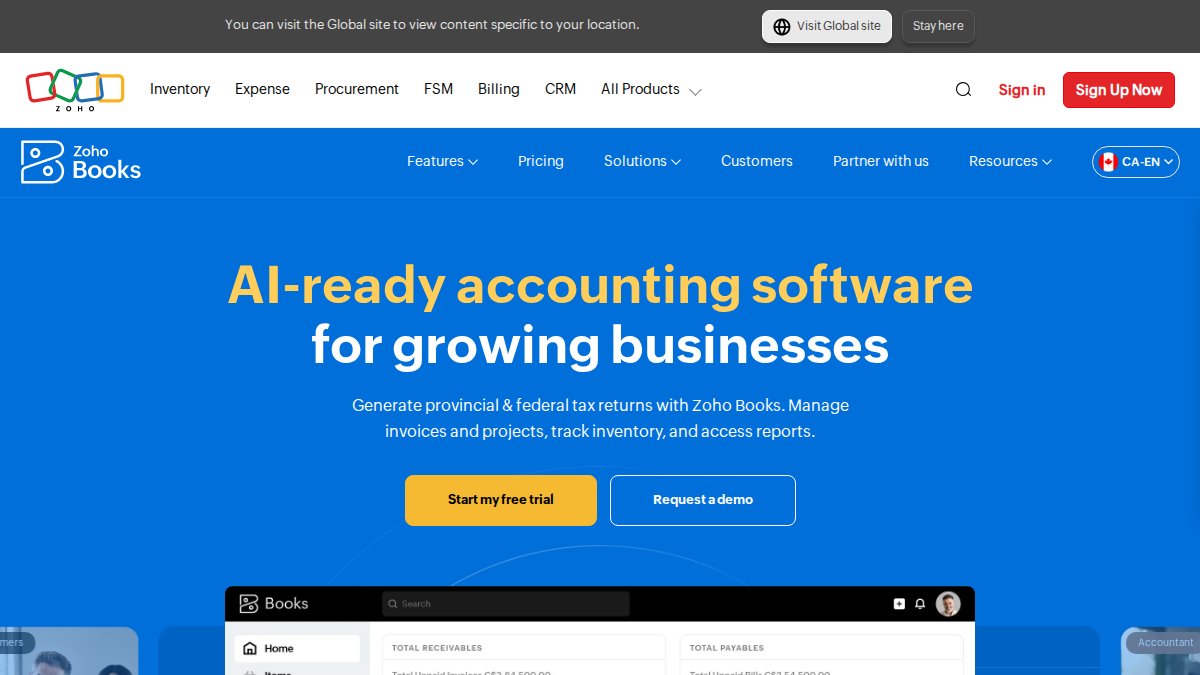
Zoho Books stands out for one reason: automation of recurring revenue. If you sell maintenance plans and service agreements, the platform can generate those invoices automatically, track renewals, and give clients a portal to approve work. That's a real time saver for shops with growing recurring contracts.
Comprehensive audit trails support CRA compliance, and the broader Zoho ecosystem means CRM and books can share data if you already use their tools. Entry-level pricing is affordable, with a free tier for very small operations.
The interface is the weak point. New users often find it busier and less intuitive than Xero or FreshBooks, and setup takes patience. If you invest the time, the automation pays off.
6. Field Service Management Tools That Feed Your Books
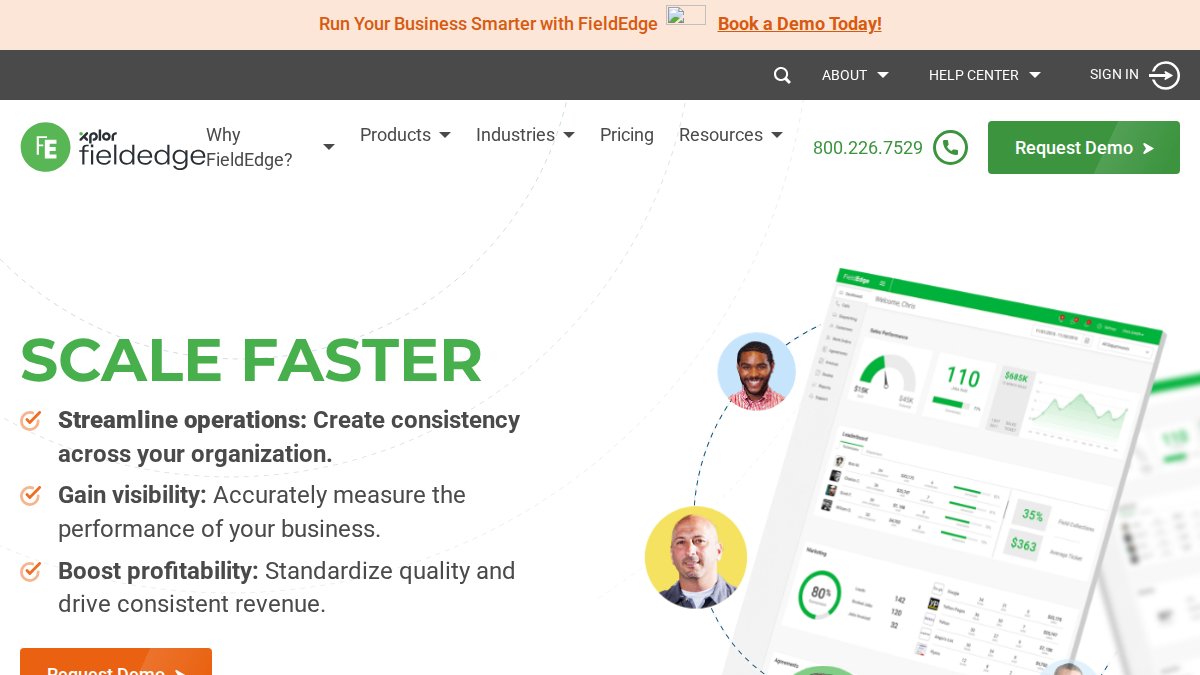
Bookkeeping doesn't happen in isolation. The numbers in your books come from work orders, dispatch, and invoices generated in the field, so how well your field service management tool talks to your accounting software decides how much manual cleanup you do every month.
Most guides stop at "these tools integrate." What matters is what happens between a technician tapping "complete job" on a tablet and that job showing up as revenue in your books.
A few signs your integration is working:
- Completed jobs appear in your books within a day, not at month end
- Labor, parts, and invoice totals post to separate accounts
- You can pull a profit-and-loss report by job number without leaving your accounting software
- Customer payments apply automatically to the right invoice
HVAC Job Costing Best Practices
Good bookkeeping for HVAC businesses starts with job costing done consistently, not perfectly. Every job, whether a $200 service call or a full system install, should capture direct labor, parts, and a share of overhead. Skip that last piece and your margins look healthier than they are.
- Track labor by technician and job, not just total payroll hours
- Assign overhead to jobs using a simple rate per labor hour
- Review gross margin by job type monthly, not annually
- Flag callbacks separately so warranty work doesn't hide inside profitable jobs
Managing Cash Flow for HVAC Businesses
Cash flow is where HVAC bookkeeping gets hard, because the timing rarely lines up. You pay for parts and materials up front, pay technicians on schedule, but wait weeks or months for customer and commercial payments to land. That gap causes the surprise tax bills many owners know too well.
Frequently Asked Questions
What is the best bookkeeping for HVAC businesses?
There is no single answer because it depends on your size and setup. Solo operators often do well with simple software like FreshBooks. Growing companies with multiple crews usually need QuickBooks Online or Xero paired with a field service management tool, or a specialized service like Cornerstone Compliance that handles job costing, payroll, and CRA compliance together. The right choice is the one that tracks profit per job, not just total revenue.
Is QuickBooks suitable for HVAC companies?
Yes. QuickBooks Online is widely used by HVAC businesses because its Projects module tracks profitability per job, it has automated bank feeds and expense categorization, and it integrates with major field service management software. The main catch is that advanced job costing and reporting sit in higher-tier subscriptions, so a basic plan may not give you the per-job detail you need to spot profit leaks.
What are the most common bookkeeping mistakes for HVAC contractors?
The biggest ones are mixing personal and business spending, recording materials and equipment as simple expenses instead of tracking them against each job, and letting accounts receivable pile up while supplier bills come due. Many owners also skip bank reconciliation until tax time, which hides cash flow problems. Catching these early keeps your gross margin figures accurate and makes CRA filing far less stressful.
How can specialized bookkeeping improve HVAC profit margins?
Specialized bookkeeping tracks costs at the job level, so you can see which service calls, installations, and maintenance contracts actually make money after labour, parts, and overhead. That lets you adjust your rates and drop unprofitable work. Monthly management reporting and quarterly reviews turn those numbers into decisions, which is how accurate job costing translates into better margins over a season.
How does proper bookkeeping help with CRA compliance?
The Canada Revenue Agency expects clean records: a complete general ledger, separated business and personal transactions, GST/HST tracked correctly, and payroll remittances filed on time. A proper audit trail and reconciled bank accounts make it far easier to answer questions during a review. If your records are disorganized, a simple request for information can turn into a much longer and more expensive process.